UK Punters Explore Prediction Markets Like Polymarket During Major 2026 Events

Interest in US-style prediction markets has risen in the UK throughout July 2026 as teh World Cup and several parliamentary byelections draw attention from bettors seeking new formats beyond traditional sportsbooks, and observers note that participants often route activity through VPNs and cryptocurrency wallets to reach platforms such as Polymarket even though the UK Gambling Commission requires operating licences for any form of sports trading and the Financial Conduct Authority maintains its prohibition on binary options.
Regulatory Framework and Access Methods
Current rules state that prediction markets offering contracts on sports results or political outcomes fall under the licensing regime administered by the Gambling Commission, which means operators must hold the appropriate permissions before accepting wagers from UK residents, whereas platforms based overseas and structured around crypto tokens operate outside that framework and therefore prompt users to employ virtual private networks that mask location data and digital currencies that avoid conventional payment rails.
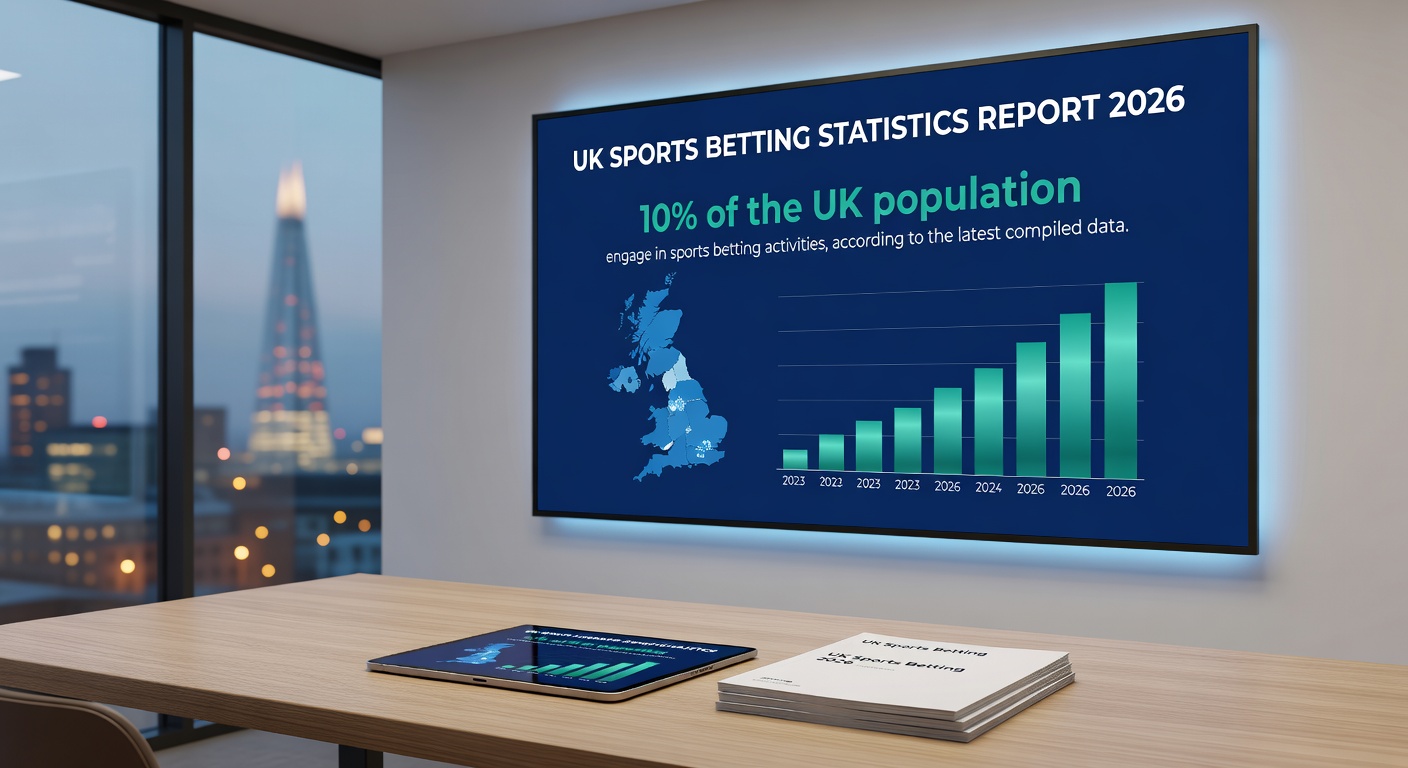
Data compiled by traditional sportsbooks shows annual wagering volumes approaching £2 billion across licensed operators, and this established market continues alongside the newer prediction platforms even as individuals test methods to reach unlicensed alternatives during high-profile tournaments and election cycles.
Events Driving Participation in 2026
The World Cup schedule and a series of byelections scheduled for summer 2026 have coincided with increased queries about how prediction markets function, with contracts typically settled according to official results declared by governing bodies or election authorities, and users who bypass domestic restrictions report that they can trade positions on individual matches, goal totals, or candidate margins in real time through crypto-enabled interfaces.
Those monitoring the trend point out that the same regulatory structure that licences conventional bookmakers also prevents the direct marketing of unlicensed prediction services within the UK, which leads participants to seek offshore venues while still relying on public information about match schedules and polling data to inform their positions.
Comparison with Licensed Betting Channels
Licensed sportsbooks operate under strict advertising codes and must verify user age and location before processing deposits, whereas prediction markets accessed via VPNs and crypto do not undergo the same checks, and this distinction has prompted the Gambling Commission to issue statements reminding the public that only platforms holding UK licences are permitted to offer sports or political betting products to residents.
Figures released earlier in the year indicated that remote betting channels continue to account for the majority of the £2 billion annual total, and this volume remains concentrated among operators that comply with commission requirements for fair play, responsible gambling tools, and tax contributions, while the parallel activity on unlicensed prediction sites occurs without those safeguards.
Potential Developments and Oversight Considerations
Reports published in July 2026 highlight that some analysts are examining whether prediction markets could move toward mainstream status if operators obtain the necessary licences, while others focus on questions around market integrity when large volumes trade on political outcomes without direct regulatory oversight, and the discussion references existing FCA restrictions that already classify certain binary contracts as prohibited financial products.
According to coverage in The Guardian, the combination of sporting tournaments and byelection dates has created a concentrated period of interest that illustrates both the reach of crypto-based platforms and the continued separation between licensed and unlicensed offerings in the UK market.
Conclusion
The developments described in the July 2026 reporting show a clear pattern of UK residents exploring prediction markets during major events, with activity routed around existing licensing rules through technological workarounds, while traditional sportsbooks maintain steady volumes near the £2 billion mark under full regulatory compliance, and authorities continue to apply the Gambling Commission framework and FCA prohibitions without modification at this stage.