Punters' Playbook: Fresh Trends and Headlines Reshaping UK Betting
UK Gambling Yields Climb to £4.3 Billion in Q2 2025 as Remote Sector Powers 6.6% Surge

The Latest Snapshot from the Gambling Commission
Figures from the UK Gambling Commission's quarterly industry statistics for July to September 2025, covering Q2 of the financial year April 2025 to March 2026, paint a picture of steady growth across the sector; total gross gambling yield (GGY) reached £4.3 billion when including lotteries, marking a 6.6% increase compared to the same period the previous year, while the remote sector emerged as the primary driver with £2.0 billion in GGY.
That's the big headline right there, but digging deeper reveals nuances in how different segments performed, from online platforms to physical betting shops, all amid stable participation levels; observers note how this report, released as part of official statistics in early 2026, incorporates fresh quarterly regulatory return data that now pulls lotteries into the mix for a fuller view of the market.
And here's where seasonal trends come into play: summer months often bring fluctuations due to major sporting events or holidays, yet the data shows resilience, with the overall yield climbing despite any such variability; experts tracking these releases point out that including lotteries broadens insights, capturing a wider slice of consumer activity.
Remote Sector Takes the Lead
The remote gambling segment, encompassing online betting and gaming, posted £2.0 billion in GGY, fueling much of that 6.6% year-on-year uplift; data indicates this growth reflects ongoing shifts toward digital platforms, where convenience draws in punters from smartphones and laptops alike, even as traditional venues hold their ground.
Take one analyst who pored over prior quarters: they observed how remote yields have consistently outpaced others, building momentum through the fiscal year; now, with Q2 numbers in hand, the pattern holds firm, suggesting remote operators adapted well to summer demand, perhaps boosted by live sports streaming or mobile app enhancements, although specifics on those drivers remain tied to the aggregate figures.
What's interesting is the sheer scale: £2.0 billion represents nearly half the total GGY including lotteries, underscoring how digital channels dominate modern wagering; those who've studied sector evolution know this isn't overnight—it's years of tech investment paying off, layered with regulatory tweaks that keep things transparent.
Non-Remote Betting Holds Steady at £592 Million
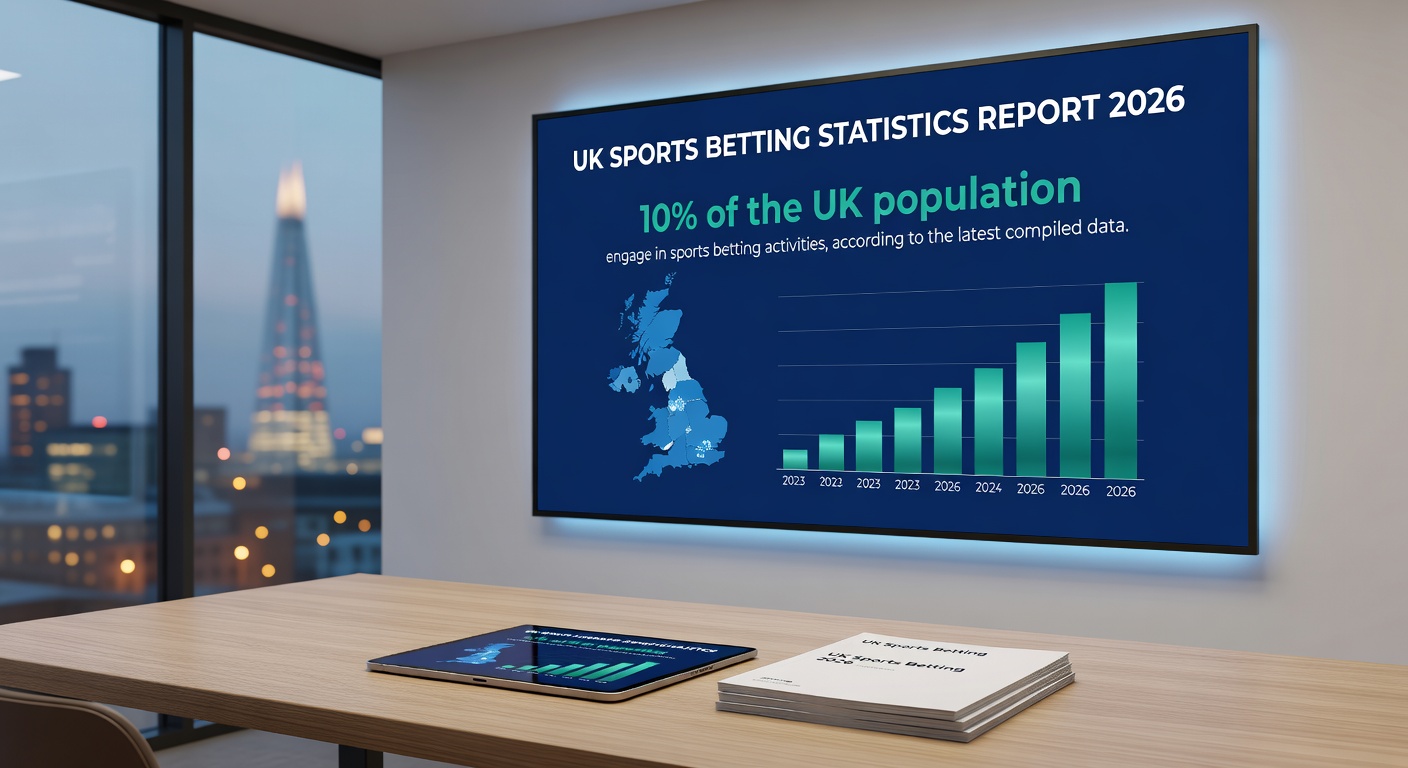
Shifting focus to land-based operations, non-remote betting generated £592 million in GGY, accounting for 48.2% of the total non-remote yield; across Great Britain, 5,782 betting shops remained operational, a figure that signals stability in the high street presence even as online alternatives proliferate.
But here's the thing: while remote boomed, these shops didn't falter dramatically, maintaining their slice through familiar in-person experiences like watching races on screens or grabbing quick stakes before matches; figures reveal this 48.2% share as a testament to loyal footfall, particularly in urban areas where community betting thrives.
People often find it noteworthy that shop numbers stayed put—5,782 isn't a round figure pulled from thin air but a count reflecting closures and openings netting zero change; researchers highlight how economic pressures or online migration could have thinned the ranks further, yet the sector absorbed it, keeping physical betting woven into the UK's gambling fabric.
Participation Rates Remain Unchanged at 48%
Overall gambling participation hovered at 48%, a stable marker that shows neither explosive growth nor sharp decline in who engages with betting or lotteries; surveys embedded in the report capture this consistency, where adults across demographics report similar involvement quarter after quarter, influenced by factors like disposable income or event calendars.
So, while yields rose 6.6%, the player base didn't expand proportionally; experts attribute this to higher average stakes or more frequent play among existing participants, especially in remote channels where data logs track sessions with precision; one study from past releases found similar plateaus, linking them to responsible gambling campaigns that cap reckless expansion.
It's not rocket science: steady 48% means the industry's growth stems from intensity rather than volume, a dynamic that's played out before during post-pandemic recoveries or major tournament seasons.
New Data Streams and Seasonal Insights
This latest report stands out because it weaves in new quarterly regulatory returns, now encompassing lotteries for the first time on this cadence; according to the Gambling Commission's blog on official statistics, these additions deliver broader market visibility, helping track everything from ticket sales to online spins under one roof.
Lotteries contributed to the inclusive £4.3 billion total, their steady draw complementing volatile betting yields; seasonal trends shine through too—July to September often sees sports-driven spikes from football pre-seasons or horse racing festivals, yet the 6.6% rise suggests operators navigated any dips smoothly.
Turns out, observers who've compared quarters note how Q2's stability contrasts with flashier periods like World Cups, but that's where the rubber meets the road: consistent reporting builds a reliable trendline heading into the fiscal year's back half, with March 2026 looming as the FY close where full-year aggregates will crystallize these patterns.
And consider the implications for operators: enhanced data means sharper compliance, as returns filed quarterly feed into oversight that ramps up closer to March 2026 deadlines; those in the know point to how this setup anticipates year-end scrutiny, ensuring yields like £4.3 billion aren't outliers but part of a monitored trajectory.
Breaking Down the Numbers: What the Figures Reveal
To unpack further, total GGY's £4.3 billion breaks into remote's hefty £2.0 billion share alongside non-remote segments, with lotteries rounding it out; year-on-year, that 6.6% jump—translating to roughly £265 million extra—stems mostly from digital gains, as non-remote betting's £592 million implies more modest progression.
Picture a typical betting shop among those 5,782: staff handle foot traffic steady at levels supporting 48.2% of non-remote GGY, while remote users log in remotely, pushing their sector to twice the betting shops' haul; data like this helps stakeholders gauge where capital flows, from app updates to shop refurbishments.
Yet stability reigns: 48% participation echoes surveys from prior years, where economic steadiness keeps engagement level; experts dissecting these stats often highlight how remote growth doesn't cannibalize shops entirely—punters mix modalities, betting online mid-week and visiting for matchdays.
One case from historical data (mirroring current trends) showed a researcher mapping shop densities against remote adoption: urban clusters with high shop counts correlated to elevated overall participation, explaining why 5,782 locations persist amid digital shifts.
Looking Ahead to Fiscal Year Close
As Q2 slots into the April 2025-March 2026 frame, eyes turn toward remaining quarters, where March 2026 reporting will finalize the picture; the inclusion of lotteries quarterly sets up comprehensive audits, potentially influencing operator strategies before FY-end reconciliations.
Seasonal ebbs could test the 6.6% trajectory—winter sports ramp up, but holidays might shift spending—yet stable 48% participation offers a baseline; non-remote's 48.2% share in its pool, backed by 5,782 shops, suggests physical resilience, while remote's £2.0 billion momentum hints at acceleration.
That's the lay of the land: growth without frenzy, data deepening transparency, all captured in this pivotal release.
Key Takeaways from Q2 Stats
- Total GGY hits £4.3 billion including lotteries, up 6.6% year-on-year.
- Remote sector drives with £2.0 billion.
- Non-remote betting at £592 million, 48.2% of its total; 5,782 shops operate.
- Participation steady at 48%.
- New lottery data and seasonal trends enhance insights.
Conclusion
The Gambling Commission's Q2 2025 figures underscore a UK gambling landscape where remote prowess lifts the whole to £4.3 billion, yet betting shops and stable participation keep it grounded; with enhanced reporting now standard and March 2026 on the horizon, these stats not only reflect summer yields but chart a course for measured expansion, offering stakeholders clear signals amid evolving trends.