BGC Flags Growing Threat From Unregulated Operators as World Cup Approaches

The Betting & Gaming Council has issued a fresh assessment showing that the UK’s illegal gambling market stands to capture roughly £200 million in stakes during the 2026 FIFA World Cup, and the figure could climb higher if proposed financial risk assessments take effect. The organization’s modeling ties this projection directly to widespread betting interest, noting that approximately one-third of existing betting account holders are expected to place wagers on the tournament scheduled for June 2026. Observers note that illegal operators have historically targeted major sporting events, and the upcoming World Cup appears poised to follow that pattern.
According to the council’s analysis, the black market already draws significant volume during high-profile competitions, yet the scale projected for 2026 marks a notable increase driven by customer demand and the availability of unregulated platforms. The group emphasizes that these operators often lure users with fewer restrictions, creating a pathway for funds that would otherwise remain within the licensed sector. Data shared by the BGC indicates this shift could add pressure on consumer protection frameworks already in place across the UK.
Financial Risk Assessments and Projected Diversion of Stakes
Central to the council’s warning are proposed financial risk assessments, which its calculations suggest could redirect an extra £50 million toward unregulated operators. When combined with the base £200 million projection, the total black market exposure during the tournament period could reach £250 million. Those who have examined the modeling point out that the assessments, intended to identify potential harm, may inadvertently steer some bettors toward platforms operating outside UK oversight. The BGC has presented these figures as part of its ongoing dialogue with policymakers, highlighting how regulatory changes can produce unintended market movements.
Researchers studying similar policy shifts in other jurisdictions have documented comparable patterns, where tighter controls on licensed operators coincide with growth in offshore activity. While the UK situation remains distinct, the council’s data aligns with observations from industry reports that track cross-border betting flows during global events. The 2026 tournament, spanning multiple venues across North America, is expected to generate extensive media coverage that illegal sites often exploit through targeted promotions.
Context of Broader Concerns Over Illegal Operators
Illegal gambling operators have long capitalized on major football competitions, offering services that bypass age verification, deposit limits, and tax contributions required of licensed firms. The BGC statement places the World Cup forecast within this wider landscape, noting that the event’s global reach amplifies opportunities for unregulated platforms to expand their customer base. Figures released by the council show that previous tournaments have already demonstrated measurable spikes in black market activity, and the 2026 edition is anticipated to follow suit given current trends in online engagement.
People familiar with enforcement data from regulatory bodies in other regions, such as the South Australian Consumer and Business Services, have reported parallel challenges during international sporting events, where offshore sites increase marketing efforts to capture audiences outside domestic licensing systems. These patterns suggest that the UK experience forms part of a larger international dynamic rather than an isolated development.
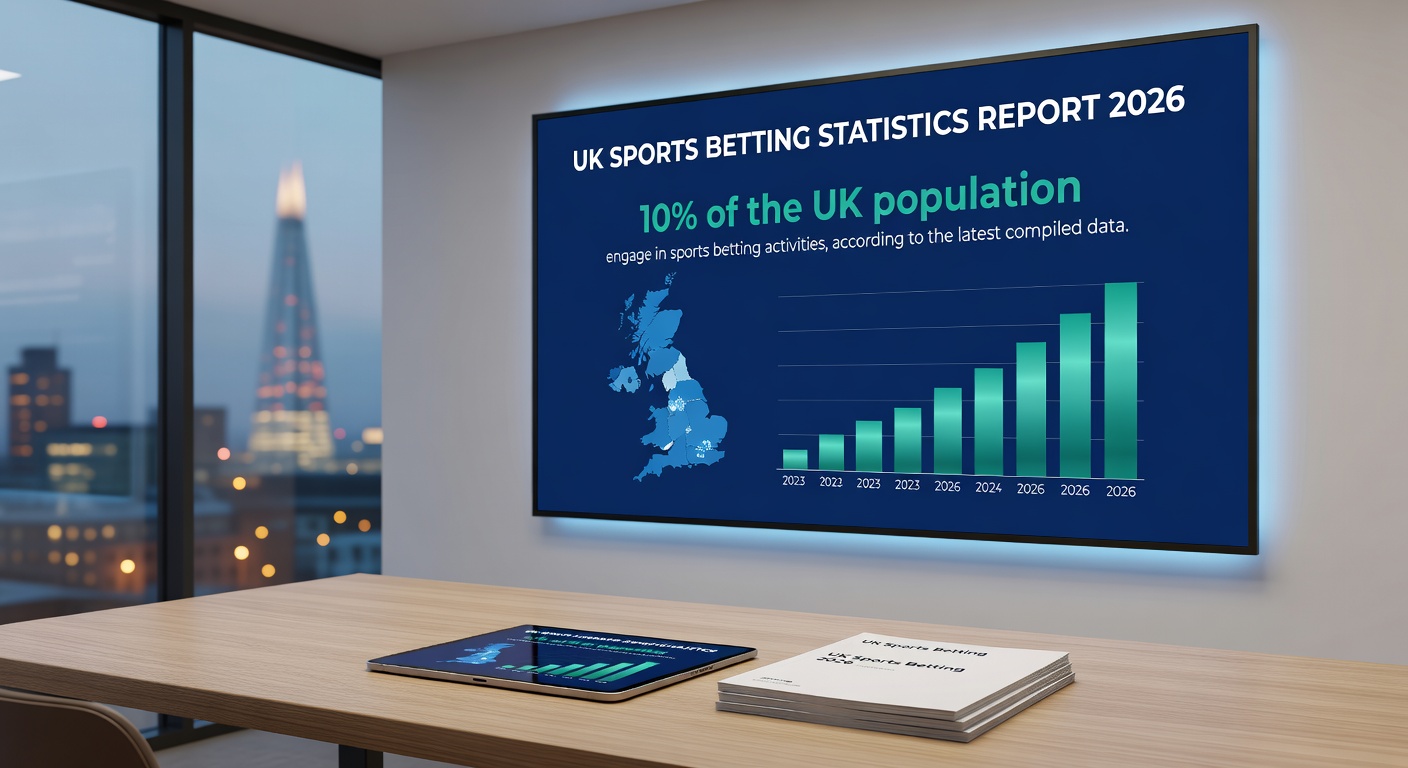
The council’s projections incorporate assumptions about customer behavior, including the proportion of account holders likely to engage with tournament betting. One-third participation rate, when applied to the existing user base, produces the £200 million baseline before any additional effects from financial risk assessments are layered in. Experts reviewing the methodology note that the calculations rely on historical wagering volumes during comparable events and adjust for growth in overall betting participation since the last major tournament cycle.
Implications for Licensed Operators and Market Balance
Licensed operators stand to lose transaction volume if a larger share of stakes moves to unregulated channels, according to the BGC assessment. The council has framed this potential shift as a matter of market sustainability, pointing out that licensed firms contribute to responsible gambling initiatives, tax revenues, and consumer safeguards that illegal sites do not replicate. Data from industry associations such as the American Gaming Association shows similar concerns in markets where regulatory tightening has occasionally correlated with increased offshore activity during peak sporting periods.
Those monitoring the sector observe that the combination of high public interest in the 2026 World Cup and upcoming regulatory adjustments creates a window during which enforcement agencies may face heightened demands. The BGC has called attention to the need for coordinated approaches that address both consumer protection goals and the practical effects on licensed market share. Its modeling serves as one data point within ongoing discussions about how best to balance these objectives ahead of the tournament.
Conclusion
The Betting & Gaming Council’s analysis presents a clear projection: the UK illegal gambling market could see £200 million in World Cup-related stakes, with proposed financial risk assessments potentially adding another £50 million. These figures emerge from estimates of customer participation rates and observed responses to regulatory changes. As the 2026 tournament draws nearer, the council’s data underscores the ongoing challenge of maintaining activity within licensed channels while illegal operators position themselves to capture additional volume. The situation reflects broader patterns seen in other jurisdictions where major sporting events intersect with evolving regulatory frameworks.