Betting Boom: How Punters Are Wagering Smarter in 2024 Britain
UK Gambling Yield Climbs to £4.3 Billion in Q2 2025/26: Remote Sectors Lead 6.6% Surge While Shops Hold Ground

Quarterly Stats Spotlight Remote-Driven Growth
The UK Gambling Commission released its official industry statistics for Quarter 2—covering July to September 2025 within the financial year from April 2025 to March 2026—revealing a total gross gambling yield (GGY) of £4.3 billion across Great Britain, a figure that marks a 6.6% increase compared to the same period in 2024; this uptick, driven primarily by robust expansion in remote gambling sectors, underscores ongoing shifts in how people engage with betting and gaming activities.
Figures reveal that remote casino, betting, and bingo sectors alone generated £2.0 billion during this quarter, showcasing their dominance in the overall landscape, while non-remote betting—think traditional betting shops—clocked in at £592 million, which accounted for 48.2% of the total land-based sectors' GGY; experts note this stability in physical venues even as digital platforms pull ahead.
What's interesting here is how the data paints a picture of resilience across the board: land-based operations, despite facing stiff online competition, maintained their slice of the pie, and that non-remote betting percentage highlights betting shops' enduring appeal for certain punters who prefer the buzz of in-person wagering.
Breaking Down the Sector Snapshots
Remote sectors stole the show with their £2.0 billion haul from casino, betting, and bingo combined, a testament to the convenience of apps and websites that let users bet from anywhere, anytime; data indicates this growth aligns with broader trends where smartphones and high-speed internet have blurred lines between home entertainment and gambling.
And then there's non-remote betting at £592 million: this sector, making up nearly half of land-based GGY, reflects steady foot traffic in high streets and racecourses, where punters chase live events like football matches or horse races; observers point out that while remote betting grows, the tactile experience of a betting slip in hand keeps shops relevant, especially for older demographics or those building accumulators on the spot.
Take one case from the stats: land-based sectors overall contributed a solid portion without dramatic swings, suggesting operators have adapted to hybrid models—offering online extensions alongside physical presence—to capture both worlds; this balance, according to the report, prevented any sharp declines that might have occurred in purely offline eras.
But here's the thing: the 6.6% overall rise isn't just numbers on a page; it signals economic momentum heading into the latter half of the financial year, with March 2026 looming as the endpoint where full-year tallies will crystallize these quarterly gains into a broader narrative.
Participation Rates Remain Rock Steady
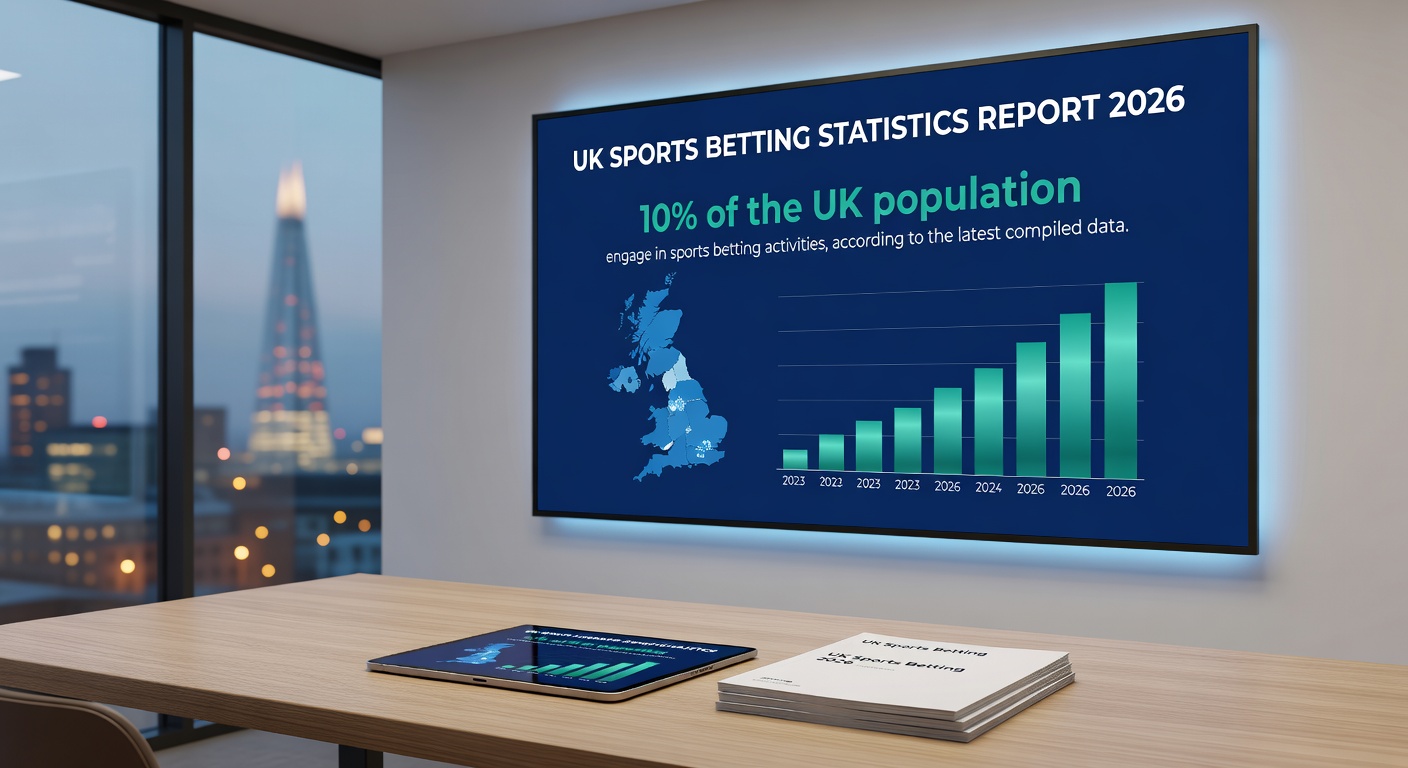
Coinciding with the industry stats drop, the Gambling Survey for Great Britain (GSGB) Wave 3 data emerged, showing gambling participation holding firm at 48%—a stable figure that matches previous waves and indicates no wild fluctuations in who’s dipping into the activity; researchers highlight this consistency as a key metric, especially amid regulatory tweaks and economic pressures that could sway behaviors.
People often find it noteworthy that participation hasn't budged much, even as remote options explode; this suggests the 48% encompasses a mix of casual players sticking to lotteries or occasional bets alongside more frequent online users, creating a broad base that supports the GGY growth without inflating participant numbers.
GSGB Wave 3, released alongside the quarterly report, delves into habits across demographics, revealing that while total engagement stays put, subtle shifts—like more women in bingo or younger crowds in sports betting—add layers to the steady headline figure; experts who've pored over these surveys note the data's reliability comes from large sample sizes, ensuring it mirrors Great Britain's diverse gambling scene accurately.
Diving Deeper into Remote and Land-Based Dynamics
Remote growth, fueling that 6.6% jump to £4.3 billion, stems from sectors like online casinos and betting platforms that reported billions in yields; turns out, the £2.0 billion from remote casino, betting, and bingo isn't isolated—it's part of a pattern where digital accessibility draws in new users while retaining veterans who value speed and variety.
Contrast that with land-based resilience: non-remote betting's £592 million, holding 48.2% of physical GGY, shows betting shops aren't fading into obscurity; instead, they thrive on events that demand immediacy, such as in-play football odds or trackside horse racing tips, where punters cluster for the atmosphere and quick payouts.
One study observers reference highlights how hybrid operators—those bridging online and offline—saw the best results, blending remote tech with shop loyalty programs to boost overall yields; this approach, evident in the quarter's data, explains why total GGY climbed without sacrificing land-based shares.
So as the financial year progresses toward March 2026, these quarterly insights offer a roadmap: remote continues its ascent, but shops provide a steady anchor, and with participation at 48%, the industry's foundation feels solid rather than shaky.
It's notable too that the Gambling Commission's February 2026 blog post tied these releases together, emphasizing transparency in stats that inform policy and operator strategies alike; those who've tracked past quarters see this 6.6% as building on prior momentum, not a one-off spike.
Key Trends Emerging from the Data
Trends point to remote dominance persisting, with £2.0 billion underscoring bets placed via apps during commutes or evenings at home; yet non-remote's 48.2% land-based share reminds everyone that physical venues adapt—installing screens for live sports, offering free bets promotions, or even linking to online accounts for seamless transitions.
Participation at 48% via GSGB Wave 3 adds context: it's not just about more money wagered but consistent involvement, where lotteries remain the entry point for many, while sports and casino games pull in the dedicated; data shows this mix sustains growth without over-reliance on high-rollers.
Experts observe that as March 2026 approaches—the financial year's close—these Q2 figures set expectations for Q3 and Q4, particularly if major events like Premier League climaxes or Cheltenham Festival amplify both remote and shop activity; the rubber meets the road here, with operators fine-tuning based on such granular stats.
And for punters, the stats reflect real-world choices: grabbing remote odds on tennis rallies or basketball dunks from the sofa, versus queuing in a shop for that accumulator on horse racing; both paths contribute to the £4.3 billion total, proving the sector's multifaceted appeal.
Conclusion
The Q2 2025/26 stats from the UK Gambling Commission—£4.3 billion GGY up 6.6%, remote at £2.0 billion, non-remote betting at £592 million holding 48.2% of land-based—paired with GSGB Wave 3's steady 48% participation, deliver a clear snapshot of an industry evolving yet balanced; as the year marches toward March 2026, these numbers guide stakeholders, from regulators shaping rules to operators plotting growth, all while participation metrics affirm broad, stable engagement across Great Britain.