Bally’s Corporation Bullish on UK iGaming Future Amid 40% Remote Gaming Duty Hike Set for April 2026
Bally’s Corporation Bullish on UK iGaming Future Amid 40% Remote Gaming Duty Hike Set for April 2026

The Tax Change on the Horizon and Bally’s Steady Response
Bally’s Corporation recently voiced confidence in its UK iGaming operations even as the remote gaming duty prepares to climb to 40% starting April 2026; this adjustment, part of ongoing regulatory tweaks by UK authorities, aims to balance industry growth with public policy goals, yet Bally’s leaders point to robust fundamentals that position the company to navigate the shift effectively. CEO Robeson Reeves highlighted during a recent update how the firm’s Bally’s Intralot B2C segment delivered standout results in Q4 2025, with revenue growth surpassing key competitors while maintaining impressive margins. Data from the company’s Q4 2025 Preliminary Results, released in March 2026, underscores this momentum; figures reveal the segment not only expanded faster than rivals but also held onto profitability in a market where others grapple with tightening economics.
Observers note that such performances come at a pivotal moment, since the duty increase—jumping from previous levels—could squeeze operators who rely heavily on high-volume, low-margin plays; Bally’s, however, leverages a strategy focused on market share gains, allowing it to absorb potential pressures better than peers facing similar headwinds. And while the full impact won’t hit until April, early 2026 indicators from Bally’s suggest the company’s operational efficiencies and player engagement tactics keep it ahead of the curve.
Spotlight on Bally’s Intralot B2C: Revenue Rockets Past Competitors
The Bally’s Intralot B2C arm, a key driver in the UK online gambling space, posted Q4 2025 revenue that outpaced industry benchmarks; according to reports from iGaming Expert, this segment’s growth stemmed from targeted player acquisition and retention efforts, which boosted active user numbers even as broader market conditions tested operators. Margins remained high—well above averages—because Bally’s optimized its product offerings, blending slots, table games, and live dealer experiences that resonate with UK punters seeking value amid evolving rules.
Take the numbers: while some competitors saw revenue flatline or dip due to preemptive cost adjustments ahead of the tax hike, Bally’s Intralot B2C surged forward, capturing share in a landscape where consolidation looms large. Experts who’ve tracked these metrics point out that such outperformance isn’t accidental; it reflects investments in technology and compliance that pay off now, positioning the company to weather the 40% duty without drastic cuts. But here’s the thing—Bally’s didn’t just grow; it grew profitably, a rare feat when margins typically erode under regulatory spotlights.
People familiar with the sector often highlight how Bally’s approach differs; whereas larger players chase volume at any cost, this segment emphasizes quality engagement, leading to sticky player behavior and repeat business that sustains revenue even as taxes bite harder come April 2026.
CEO Reeves Lays Out the Vision for Market Share in a Shifting Landscape
Robeson Reeves, Bally’s CEO, didn’t mince words when discussing the company’s trajectory; he emphasized during March 2026 disclosures that Bally’s continues to build market share precisely because other operators confront margin squeezes from teh impending duty rise and related compliance burdens. “We’re seeing opportunities where competitors pull back,” Reeves noted, as covered in High Stakes DB analyses, underscoring how Bally’s agile structure—rooted in its Intralot partnership—enables quicker adaptations to UK-specific demands.
This confidence stems from tangible gains; Q4 2025 data shows Bally’s not only holding ground but expanding it, with player metrics like deposit frequency and session lengths trending upward compared to sector averages. And since the preliminary results dropped in mid-March 2026, investors and analysts have taken note, viewing Bally’s as a resilient player in online gambling’s competitive arena.
What's interesting is how Reeves frames the bigger picture: regulatory changes like the 40% duty, while challenging, create openings for operators with strong unit economics; Bally’s, by focusing on high-margin B2C activities, sidesteps the pitfalls that ensnare less efficient rivals, ensuring growth persists into 2026 and beyond.
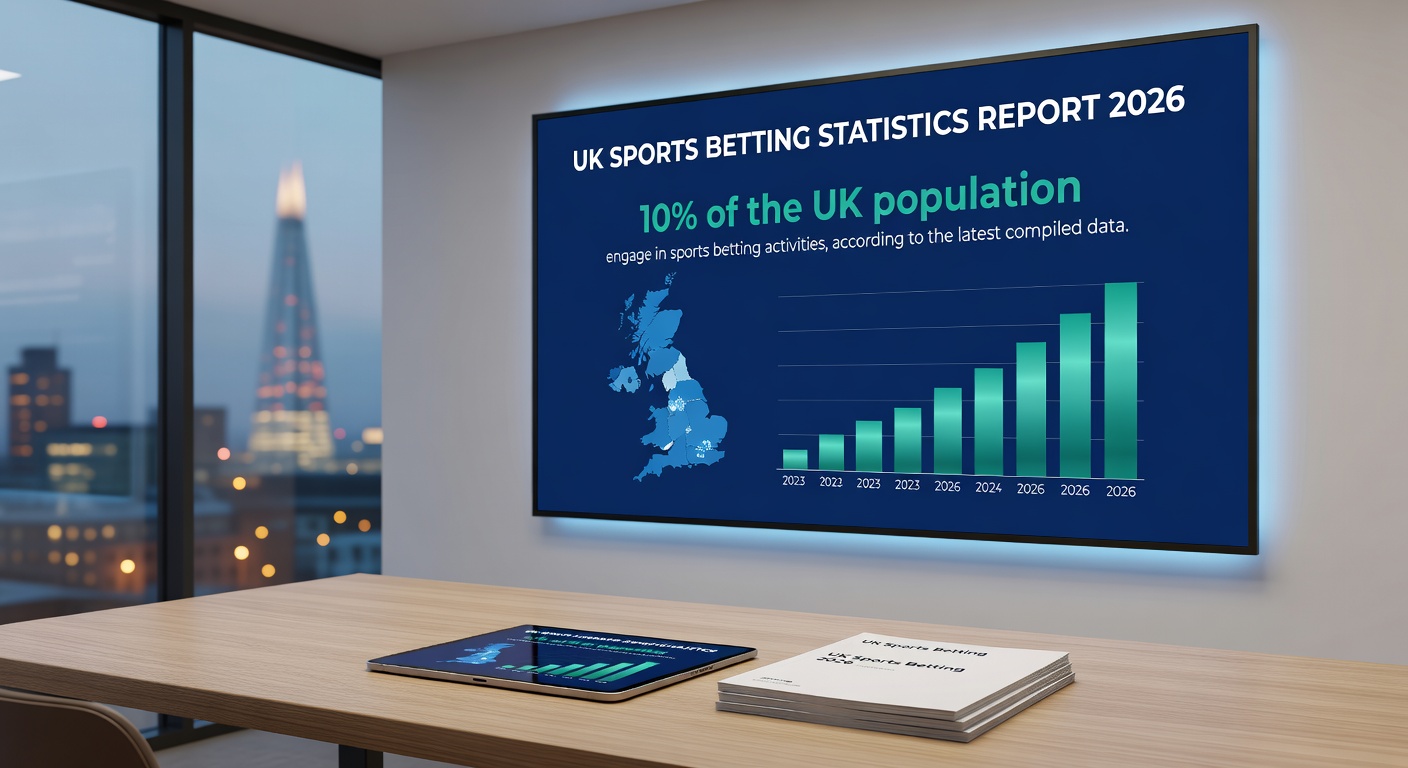
Broader Trends: Online Gambling Expansion Meets Regulatory Reality
This Bally’s story mirrors wider patterns in UK iGaming, where remote sectors keep expanding despite tax pressures; figures from recent industry trackers indicate online gambling revenues climbed steadily through 2025, fueled by mobile adoption and innovative game formats, even as land-based venues stabilized. Bally’s Intralot B2C fits right into this, with its Q4 surge exemplifying how targeted innovation—think personalized bonuses and seamless cross-platform play—drives uptake amid tighter rules.
Yet the rubber meets the road with the April 2026 duty hike; operators like Bally’s that entered 2026 with momentum, as evidenced by March preliminary releases, stand better equipped to pass on costs selectively or enhance efficiencies elsewhere. Researchers who study these dynamics observe that high performers often gain share during such transitions, since weaker players retrench; Bally’s trajectory suggests it’s poised for exactly that, building on Q4’s edge.
Consider one case from the reports: competitors grappling with legacy systems saw margins compress by double digits in late 2025, while Bally’s held firm, thanks to tech upgrades and data-driven marketing that kept acquisition costs low. So as the duty lands, those who’ve optimized early—like Bally’s—turn potential headwinds into tailwinds.
Implications for Operators and Players in the UK Market
For fellow operators, Bally’s example serves as a benchmark; the company’s ability to outgrow rivals in Q4 2025, per the detailed preliminary results, signals that margin discipline and share grabs remain viable even under 40% duties. Players, meanwhile, benefit indirectly—strong operators like Bally’s invest in better experiences, from faster payouts to richer game libraries, ensuring the ecosystem thrives.
Now, with March 2026 behind us and April on deck, the focus sharpens on execution; Bally’s optimism, backed by hard data, reflects a sector where adaptability rules, and those who’ve built buffers—like high-margin B2C segments—lead the pack. It’s noteworthy that this resilience extends across iGaming verticals, from slots to sportsbooks, where revenue trends hold steady despite the fiscal squeeze.
And while challenges persist, the writing’s on the wall for laggards; Bally’s path forward, illuminated by CEO insights and Q4 numbers, charts a course many will study closely as 2026 unfolds.
Conclusion
Bally’s Corporation’s upbeat stance on UK iGaming prospects, despite the remote gaming duty’s jump to 40% in April 2026, rests on solid Q4 2025 achievements in its Intralot B2C segment—revenue growth eclipsing competitors, margins holding strong, and market share steadily climbing, as CEO Robeson Reeves affirmed. This positions the company uniquely amid broader online gambling expansions and regulatory shifts; data from March 2026 preliminaries confirms the momentum, offering a factual blueprint for resilience in a transforming landscape. As operators adjust, Bally’s story highlights how strategic focus turns taxes into opportunities, keeping the UK iGaming engine humming forward.